Little Chef
Sourdough Cinnamon Raisin Swirl Bread by Littlespoonfarm
By Little Spoon Farm | Easy Sourdough Recipes
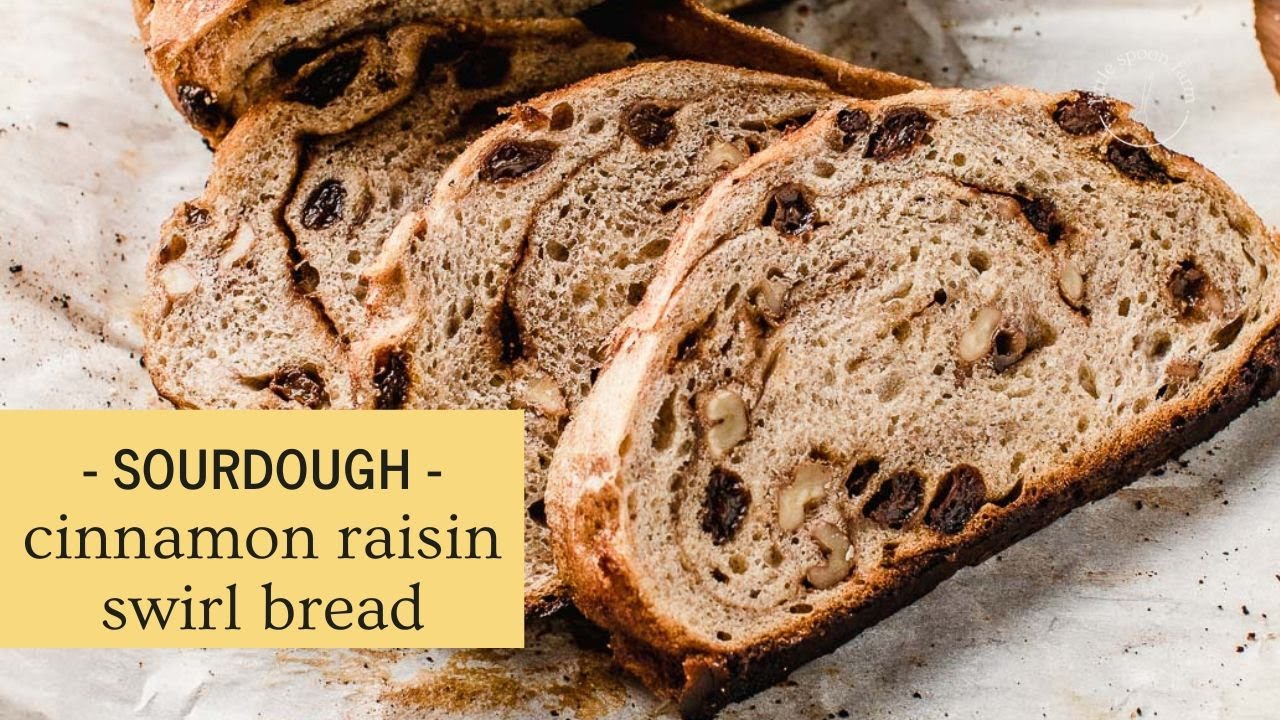
Tangy sourdough loaf swirled with cinnamon-brown sugar butter, plump raisins, and walnuts.
Serves: 12Prep: 30 min (plus 8–12 hr fermentation)Cook: 50 min
Ingredients
- 100g active sourdough starter
- 375g water (room temperature)
- 10g salt
- 400g bread flour
- 50g whole wheat flour
- 50g rye flour
- 1/2 cup raisins
- 1/2 cup walnuts
- 4 tbsp unsalted butter, softened
- 1/4 cup brown sugar
- 2 tsp ground cinnamon
- 1/2 tsp vanilla extract
- 1 pinch ground nutmeg (optional)
Instructions
- The night before, feed your starter by combining 15g starter, 50g flour, and 50g water in a clean jar; stir, cover, and leave overnight until active and bubbly.
- In a large bowl, combine 100g active starter, 375g water, and 10g salt; stir well to disperse the starter, then add all three flours (bread, whole wheat, rye) and mix until no dry bits remain. Cover and rest for 1 hour.
- While the dough rests, bring a pot of water to a simmer, turn off the heat, and submerge the raisins and walnuts for about 30–45 minutes to plump them; drain thoroughly before use.
- After the 1-hour rest, perform your first set of stretch and folds. If the dough feels too stiff, work in a small amount of water (up to 15g) until it loosens; if too sticky, dust lightly with flour.
- Cover and rest 30 minutes, then add the drained raisins and walnuts to the bowl; squeeze and fold the dough for 1½–2 minutes until the mix-ins are fully incorporated. Cover and bulk ferment at 70°F (21°C) for 3½–4 hours, or until the dough has risen about 30–50%.
- While the dough finishes rising, make the cinnamon paste: stir together the softened butter, brown sugar, cinnamon, vanilla, and nutmeg until smooth.
- Turn the risen dough onto a lightly floured surface and press it into a rectangle roughly the size of a cinnamon roll sheet. Spread the cinnamon butter paste evenly over the surface, leaving a small border around the edges.
- Using a bench scraper to help, fold the dough over itself repeatedly, keeping the butter paste on the inside, until none is visible on the outside. Shape into a ball or oval to match your banneton.
- Flour the banneton and the outside of the loaf, then place the dough seam-side up into the banneton. Rest on the counter for 30–60 minutes, then either bake same-day (once risen to the top of the banneton) or refrigerate overnight for a cold retard.
- When ready to bake, place a Dutch oven in the oven and preheat to 450°F (230°C) for at least 30 minutes.
- Turn the dough (cold from fridge or room temperature) onto a sheet of parchment paper. Score the top lightly — just enough to guide the rise, not too deep. Lower the loaf on the parchment into the hot Dutch oven, put the lid on, and bake for 30 minutes.
- Remove the lid and bake for another 20 minutes, or until the crust is as dark as you like. Transfer to a wire rack set over parchment paper (to catch any butter that seeps out) and cool completely before slicing.
Inspired by youtube.com